Watercolor Wildflower Backgrounds: A Fresh Design Asset for Bloggers and Digital Publishers
First Impressions: Soft, Artistic, and Inviting
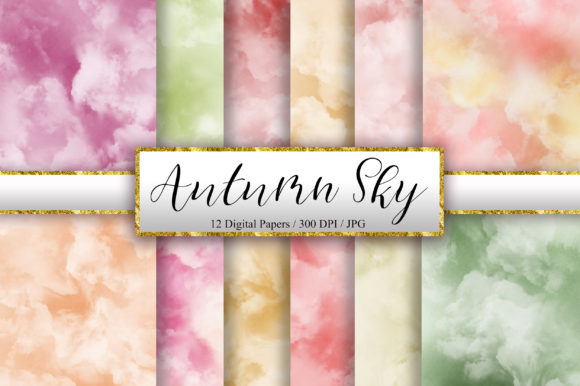
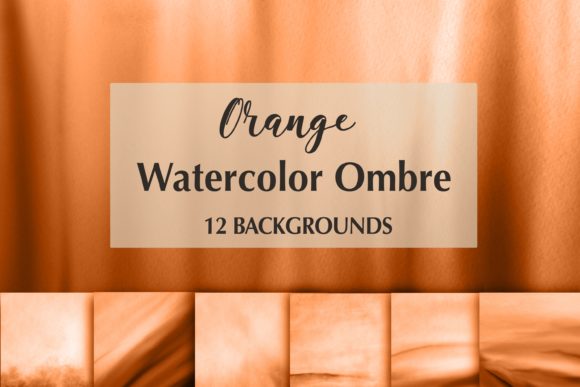
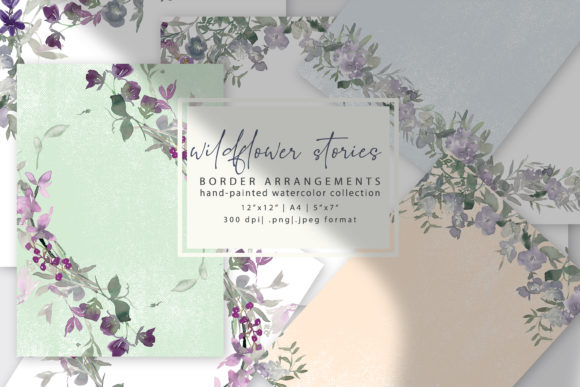
As a blog designer who regularly evaluates visual assets for content publishing, my first reaction to Watercolor Wildflower Backgrounds was positive. The soft brushstrokes and natural color palette immediately convey a sense of creativity and warmth. These backgrounds feel lifestyle-focused, feminine, and artistic—perfect for niches like wellness, gardening, motherhood, home décor, and creative entrepreneurship.
The watercolor texture adds a touch of elegance without feeling overly formal, making it ideal for content creators aiming to balance professionalism with a handcrafted aesthetic. It’s the kind of background that can elevate a digital guide or newsletter banner without overpowering the message.
How Watercolor Wildflower Backgrounds Enhance Editorial Design
From an editorial standpoint, these backgrounds offer more than just visual appeal—they help shape the reader’s emotional response. A well-placed watercolor wildflower background in a blog post header or Pinterest pin can create a sense of calm and approachability, which is especially valuable for content that aims to build trust or share personal stories.
- Supports visual storytelling in lifestyle and personal development blogs
- Adds warmth to digital product pages like lead magnets and worksheets
- Enhances the perceived quality of downloadable printables and media kits
I tested these backgrounds in a sample blog layout and found that they worked particularly well as hero images and category thumbnails. Their organic shapes help break up blocks of text while maintaining a clean visual hierarchy.
Real-World Publishing Uses for Watercolor Wildflower Backgrounds
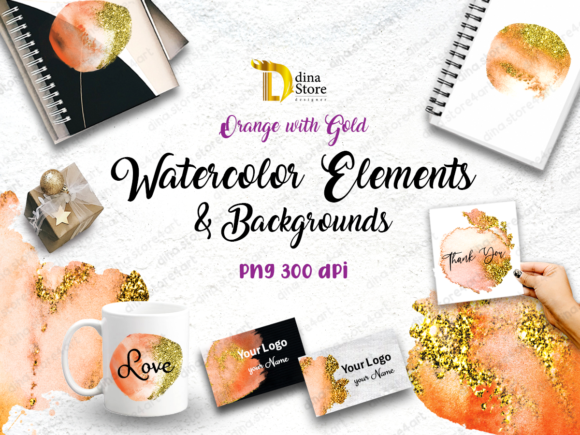
Here’s where this design asset truly shines: in the everyday visuals content creators and digital marketers need to produce consistently. Whether you’re designing a Canva template for social media or crafting a downloadable digital guide, these backgrounds offer flexibility without sacrificing editorial quality.
- Blog Featured Images: Use as a background for quote graphics or post headers to add texture and visual interest.
- Pinterest Graphics: The soft colors and floral motifs make these backgrounds ideal for pins that stand out in a crowded feed.
- Newsletter Headers: Pair with a clean sans-serif font to create a warm, inviting email banner that feels personal and professional.
- Digital Guides and eBooks: Perfect for section dividers or cover pages that need to feel cohesive and polished.
- Social Media Previews: Works beautifully in Instagram Stories or Facebook posts for lifestyle brands and small business branding.
Where Watercolor Wildflower Backgrounds Make the Biggest Impact
In real content marketing scenarios, this graphic design asset supports both aesthetics and performance. When used strategically, these backgrounds can:
- Improve click-through rates on Pinterest and social media
- Create a consistent visual identity across blog posts and digital products
- Enhance the perceived professionalism of affiliate marketing visuals
- Strengthen brand recognition in editorial layouts and downloadable resources
For creative entrepreneurs and small business owners, this design asset offers a cost-effective way to elevate their visual content without hiring a custom designer. It’s especially effective when used in content upgrades, lead magnet templates, and Canva-ready kits that are sold or given away as part of a content strategy.
Use with Caution: When These Backgrounds Might Not Be the Best Fit
While versatile, Watercolor Wildflower Backgrounds aren’t a one-size-fits-all solution. Their soft, decorative style may not be appropriate for every niche or format:
- Text-heavy blog images: The floral patterns can reduce readability if not layered carefully.
- Corporate or serious professional niches: May feel out of place in finance, law, or tech content.
- Small mobile thumbnails: Details can get lost at smaller sizes.
- Minimalist design systems: Could clash with ultra-clean, modern web design trends.
When working with these backgrounds, always preview them in real-world publishing contexts. Try them with different font pairings—especially script or handwritten styles—to ensure legibility and brand alignment.
Publisher’s Checklist: Practical Tips Before You Use Watercolor Wildflower Backgrounds
Before embedding these backgrounds into your content publishing workflow, here are some practical steps to take:
- Test on desktop and mobile: Ensure the background looks good across all screen sizes.
- Preview in a live blog layout: See how it interacts with your site’s typography and layout.
- Try with headline text: Check contrast and readability, especially for Pinterest pins and social graphics.
- Experiment with fonts: Pair with serif, sans serif, and display fonts to see which combinations work best.
- Check file size: Optimize for web performance to avoid slowing down your site.
- Verify licensing: Make sure you have a commercial license before using on monetized sites or digital products.
These steps will help ensure that the design asset supports—not hinders—your content marketing and brand-building efforts.
Final Thoughts: A Valuable Addition to Your Creative Toolkit
Overall, Watercolor Wildflower Backgrounds offer a unique blend of artistry and functionality that’s hard to find in many off-the-shelf design assets. Whether you're a digital marketer building affiliate content visuals or a blogger creating Canva templates for your audience, this background set can help you produce content that looks more polished, professional, and clickable.
If you're looking for a graphic design asset that supports a warm, creative brand identity while enhancing your editorial visuals, this is one worth adding to your design library. Just remember to use it thoughtfully, test it thoroughly, and always align it with your audience’s expectations and your content’s purpose.