Sunflower Watercolor: A Designer’s Honest Take for Real Embroidery Projects
First Impressions: Soft, Cheerful, and Versatile
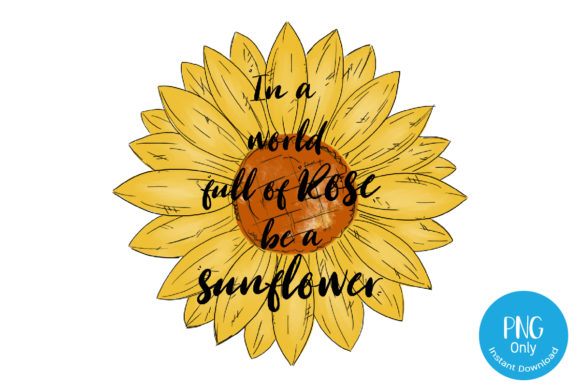
When I first opened the Sunflower Watercolor - Sublimation design file, what stood out immediately was the soft, painterly style. It's not your typical sharp, structured embroidery layout. Instead, it feels like a brushstroke came to life on fabric. The watercolor effect gives it a dreamy, artistic vibe, perfect for handmade items that lean into a more organic, nature-inspired aesthetic.
This design reads as warm and inviting. The sunflower itself has a gentle gradient of yellows and ochres, blending seamlessly into hints of soft green and brown at the base. The layout is balanced but not rigid, which makes it feel approachable and easy to integrate into a variety of products.
Where Sunflower Watercolor Shines in Real Embroidery Work
I tested this design on a few different items, starting with a custom tote bag. The soft edges of the watercolor effect made the embroidery feel less like a machine-stitched logo and more like a custom illustration. It looked great on a natural cotton tote—soft enough to appeal to a boutique audience, yet detailed enough to stand out.
Next, I tried it on a sweatshirt for a personalized gift project. The design held up well on thicker fabric, though I made sure to use a heavier stabilizer to prevent puckering. The color blending translated nicely into thread, especially with a mid-range thread count that allowed the shading to come through without getting lost in dense stitching.
For baby items, like a onesie or burp cloth, this design would work beautifully. It’s gentle on the eyes and has a playful warmth that fits well with nursery themes or handmade baby gifts. Just be mindful of stitch density near the center of the flower—those areas can get a bit tight and may need a lighter touch on thinner baby fabrics.
When to Use Sunflower Watercolor with Care
While the design is versatile, there are a few scenarios where you’ll want to test before committing. First, avoid using it on very small hoop sizes. The watercolor effect relies on subtle gradients and soft edges, which can get lost when scaled down too much. You risk losing the intended visual impact, especially in the color blending areas.
Dark fabrics are another consideration. The original design is meant to be vibrant and light-toned, so if you're stitching it on black or navy material, you’ll need to adjust the thread colors accordingly. I’d suggest testing a black-and-white mockup first to see how the contrast holds up.
Also, be cautious with stretchy fabrics like jersey or knits. The satin-stitched outlines may pucker if the tension isn’t dialed in just right. And if you're embroidering on a curved surface like a baseball cap, make sure to use a cap hoop and secure the fabric properly to avoid distortion in the flower’s center.
Design Performance Across Popular Embroidery Products
- Custom Apparel: Works well on lightweight jackets or linen shirts. The watercolor style gives a boutique feel that stands out from standard logo embroidery.
- Tote Bags & Tea Towels: Ideal for home goods. The soft design complements farmhouse or boho decor styles.
- Personalized Gifts: Great for custom pillows or framed hoop art. The design’s mood makes it a thoughtful choice for birthdays or housewarming gifts.
- Boutique Merchandise: Perfect for small shop owners looking to add a touch of artistic flair to their product line.
- Commercial Embroidery: Can be used for branded items, though it may need slight color tweaks to match brand palettes.
Visual Appeal and Customer Perception
One of the standout qualities of Sunflower Watercolor - Sublimation is how it elevates the perceived value of a finished product. Because it has that hand-painted look, it reads as more premium than a standard embroidery design. That’s a big plus if you're selling on Etsy or at craft fairs—customers often associate that kind of detail with high-quality, handmade work.
From a branding standpoint, this design can help establish a consistent visual identity for small businesses that want to incorporate a soft, natural theme across their product line. It’s not too bold, so it can be used across a range of items without feeling repetitive.
Practical Notes for Embroidery Designers
Before stitching Sunflower Watercolor - Sublimation into any project, here are a few key steps I always take:
- Test on Scrap Fabric: Always run a test stitch-out before committing to your final material. This helps catch any tension or density issues early.
- Check Thread Color Contrast: If using on dark fabric, swap thread colors to maintain the vibrancy of the original design.
- Review Stitch Density: Some areas may be too dense for thinner fabrics. Adjust settings if needed to prevent puckering.
- Confirm Hoop Size: Make sure the file fits your machine’s hoop size. If you're resizing, test the detail retention.
- Use Proper Stabilizer: For best results, use a medium-weight tear-away or wash-away stabilizer depending on your fabric type.
- Inspect Small Details: The watercolor edges may not translate perfectly on all machines. Zoom in digitally and test-stitch any fine areas.
- Confirm Licensing: If you're selling finished items or digital products, always verify the license terms of the embroidery file.
Final Thoughts: A Design That Feels Like a Natural Fit
Overall, Sunflower Watercolor - Sublimation is a solid choice for embroidery designers looking to add a soft, artistic touch to their work. It brings a unique visual style that’s different from the usual embroidery fare, which is a big plus in a saturated market.
Whether you're creating custom apparel, personalized gifts, or boutique merchandise, this design has the flexibility to work across multiple product types. Just be mindful of fabric type, hoop size, and stitch density to ensure the final embroidered piece lives up to its visual promise.
If you're an Etsy seller or small shop owner, this could be a great addition to your digital product offerings—especially if your brand leans into nature, minimalism, or handcrafted aesthetics. Just remember to test thoroughly and adjust for fabric and thread variables before launching it into your product lineup.