Floral Watercolor Patterns for Blog Design and Content Publishing
As a blog designer and digital publisher, I’m always on the lookout for graphic design assets that elevate editorial quality and reader engagement. Flower with Watercolor Seamless Pattern caught my eye as a versatile visual tool that blends artistic flair with practical publishing needs. It’s the kind of design asset that can subtly enhance brand identity while making content more visually clickable and trustworthy.
First Impressions: Soft, Feminine, and Lifestyle-Centric
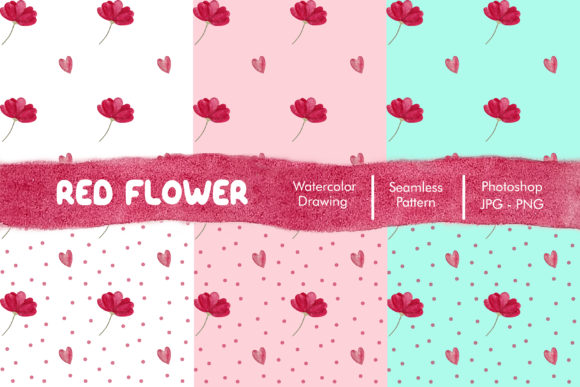
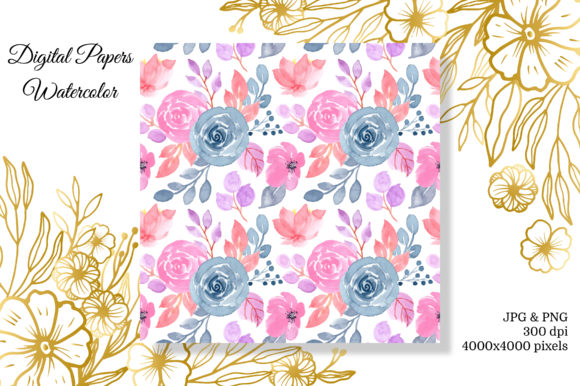
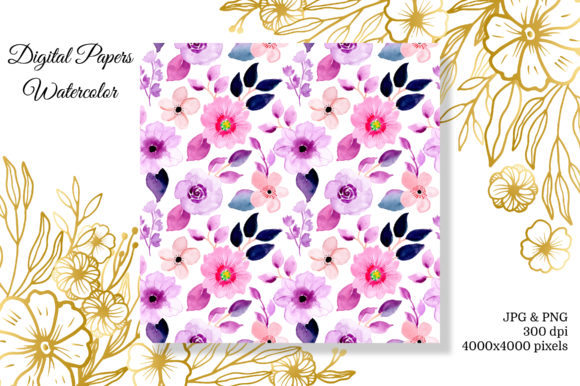
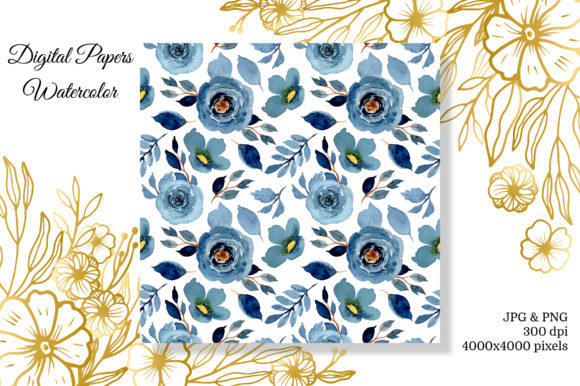
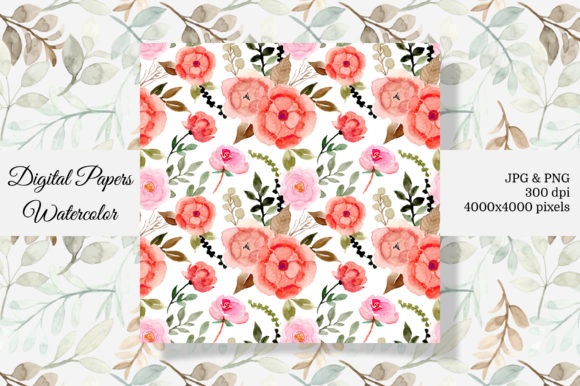
The moment I opened Flower with Watercolor Seamless Pattern, I was struck by its soft, hand-painted aesthetic. The watercolor texture gives it a handmade, organic feel, while the floral motifs suggest a lifestyle or wellness-focused niche. This isn’t a bold or industrial design—it’s gentle, inviting, and perfect for content that leans into personal growth, self-care, home decor, or creative living.
From an editorial design standpoint, it sets a warm, approachable tone. Readers subconsciously associate watercolor with creativity and authenticity, which can help build trust—especially for bloggers, online educators, and small business owners who want to appear relatable yet polished.
Real-World Use Cases for Content Publishers
This pattern works well beyond just a background. Here are the key ways I’ve found it enhances real publishing workflows:
- Blog Featured Images: Use it as a soft backdrop for article headers to create a consistent visual identity across your site.
- Pinterest Graphics: Its organic shapes and soft contrast make it ideal for Pinterest pins that stand out without overwhelming the eye.
- Email Newsletter Headers: Adds a touch of warmth to digital newsletters, making them feel more personal and professionally designed.
- Downloadable Resources: Perfect for digital guides, printables, or lead magnets where you want a clean but artistic layout.
- Social Media Templates: Especially effective for Instagram stories or Facebook posts where a soft, lifestyle-oriented background supports your message.
- Canva Templates: Easily integrates into reusable design kits for content creators who build graphics quickly without sacrificing quality.
How Flower with Watercolor Seamless Pattern Boosts Content Performance
Visual consistency matters more than most content creators realize. Flower with Watercolor Seamless Pattern helps maintain a cohesive look across blog graphics, digital downloads, and social visuals. Here’s how it supports stronger content performance:
- Stronger First Impressions: The pattern adds a layer of visual interest without being distracting, helping readers feel engaged from the start.
- Better Click-Through Potential: On Pinterest and social media, its soft contrast and organic flow make it stand out in a feed of high-contrast images.
- Consistent Branding: When used across digital assets, it reinforces a recognizable visual identity—key for bloggers and small business branding.
- Improved Reader Trust: A polished design suggests professionalism, even in niche markets like personal development or lifestyle content.
- Clean Visual Hierarchy: Works well as a background layer behind text or icons without overpowering the main message.
Where This Design Asset Shines
Based on testing in real blog layouts and digital product templates, here are the publishing elements where Flower with Watercolor Seamless Pattern performs best:
- Hero Images: As a subtle background in website headers or landing page banners.
- Article Thumbnails: Adds warmth to blog post previews without making them feel too busy.
- Newsletter Headers: Especially effective for email marketing visuals that need to feel both creative and professional.
- Content Upgrades: Works beautifully in lead magnets and downloadable printables where design quality impacts perceived value.
- Social Media Previews: Ideal for teaser graphics or quote images that need to feel artistic yet legible.
When to Use It with Caution
While this pattern is highly versatile, it’s not a one-size-fits-all solution. Here are publishing contexts where it may not be the best fit:
- Small Mobile Thumbnails: The watercolor texture can get lost or pixelated on tiny screens.
- Text-Heavy Blog Images: May reduce readability if used behind dense headline copy without proper contrast.
- Low-Contrast Backgrounds: Can blend too much with light-colored text or subtle icons.
- Busy Layouts: Might compete with other visual elements in complex editorial designs.
- Corporate or Technical Niches: Doesn’t align with serious, data-driven content like finance or legal blogs.
Publisher Notes: Test Before You Launch
Before embedding Flower with Watercolor Seamless Pattern into your content marketing strategy, take a few practical steps to ensure it performs well across platforms:
- Test on Desktop and Mobile Screens: Confirm it looks crisp and readable on all device sizes.
- Preview in Blog Layouts: Place it inside a real article template to see how it interacts with fonts and sidebar elements.
- Check Thumbnail Quality: Zoom out to thumbnail size and ensure it still conveys the intended mood.
- Try with Headline Text: Overlay common headline styles to test contrast and legibility.
- Test in Black and White: See how it holds up if your audience uses grayscale viewing modes.
- Pair with Different Fonts: Try it with serif, sans-serif, script, and display fonts to find the best typographic match.
- Review File Size: Compress the image for web performance without sacrificing quality.
- Verify Licensing: Make sure it comes with a commercial license if you’re using it on monetized sites or affiliate marketing pages.
Final Thoughts: A Versatile Addition to Any Content Creator’s Toolkit
Flower with Watercolor Seamless Pattern is more than just a pretty graphic design asset—it’s a practical tool for bloggers, digital marketers, and online educators who want to elevate their visual storytelling. Whether you’re crafting a Pinterest pin, designing a digital guide, or building a branded newsletter, this pattern helps your content feel more cohesive, trustworthy, and engaging.
For creative entrepreneurs and small business owners, it’s a cost-effective way to maintain a professional design aesthetic without hiring a full-time designer. Just remember to test it thoroughly in your publishing workflow and use it strategically to maximize its visual impact.